
Preventing Dry Socket in Winchester VA: How to Keep it at Bay After Tooth Extraction
If you’re getting a tooth extraction in Winchester, VA and want an easy recovery, then learning how to prevent dry socket is probably going to be super helpful. Dental extractions are sometimes necessary for reasons such as severe tooth decay, dental trauma, overcrowding, and gum disease. Wisdom teeth removal is a common type of dental extraction, often recommended to prevent long-term discomfort and complications. Tooth extractions can be performed using different techniques: simple extractions are done on teeth visible in the mouth, while surgical extractions (a type of dental surgery) are needed for teeth that have not erupted or are broken.
Anesthesia is used during both simple and surgical extractions to ensure patient comfort, and it’s normal to feel anxiety about the procedure—choosing the right sedation options and understanding the process can help manage that anxiety. This guide is all about helping people in Winchester, VA who are getting ready for a tooth extraction and want to avoid all the nasty stuff that comes with it, like dry socket. The whole dry socket prevention thing is pretty important because it means you can heal up quicker and avoid any unnecessary pain or delays in getting back to normal.
What is Dry Socket and Why Should I Care
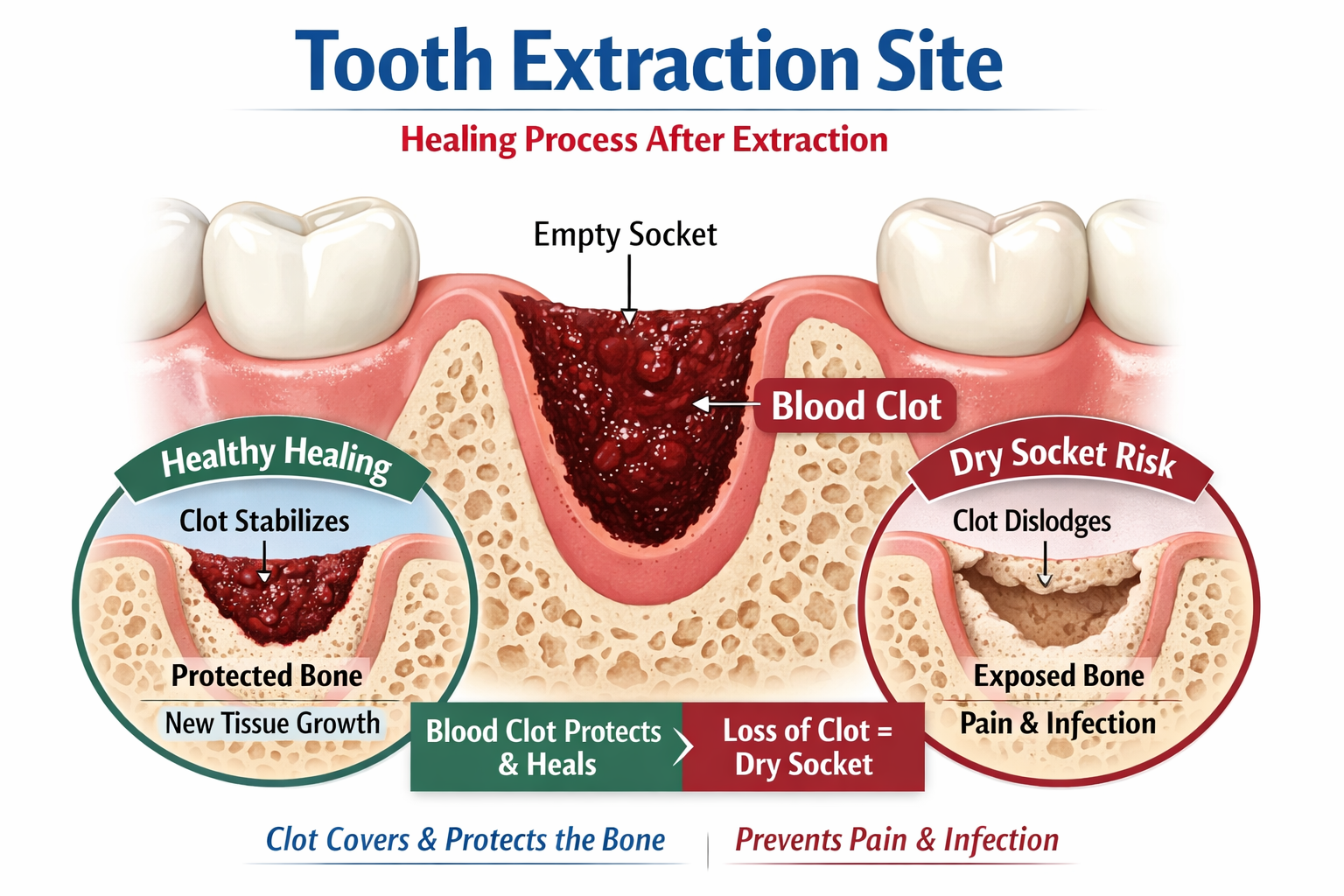
What's Dry Socket All About
Dry socket, also known as alveolar osteitis, is one of the more common complications that can follow a tooth being pulled. Essentially its when the blood clot at the extraction site gets dislodged or dissolves too soon, which means the bone and nerves get exposed and its super painful. The blood clot that forms in the socket after a tooth extraction is pretty crucial for protecting the area and helping it heal up. Without this protective clot the area is pretty defenseless making it more vulnerable to pain and infection. Dry socket affects somewhere between 2-5% of people who get a tooth pulled, but this can go up if you have certain risk factors.
What Increases Your Risk of Dry Socket
Dry Socket Risk Factors
How to Prevent Dry Socket
Some Basic Advice to Help You Avoid Dry Socket
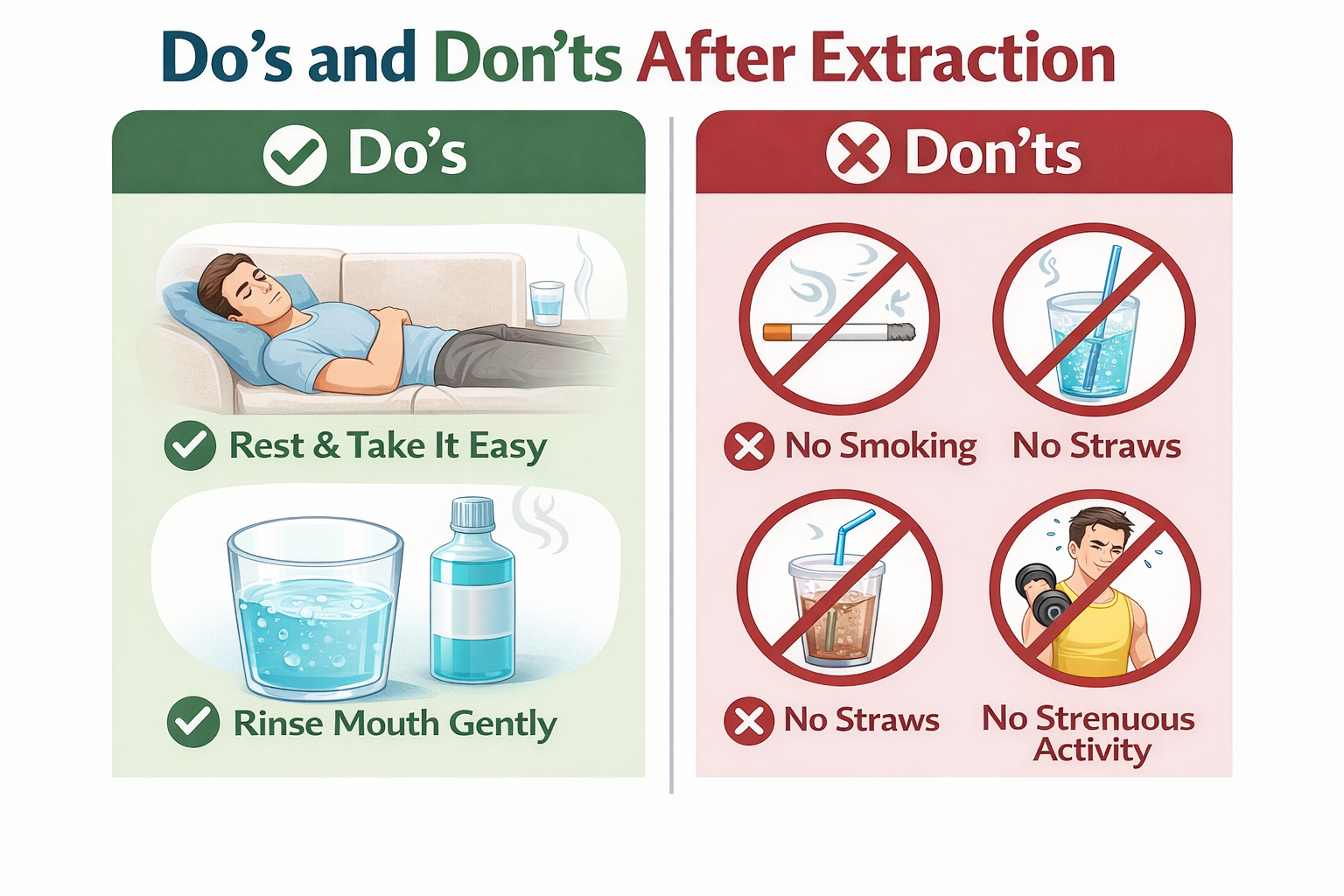
Your dentist will give you some specific instructions after the procedure to help you take care of your mouth. A local anesthetic will be used during the procedure to ensure your comfort. Pay attention to these instructions and do exactly what they say—if they tell you to avoid certain things, like drinking through a straw or smoking, then do that. Avoid suction actions such as using straws, smoking, or spitting for at least 72 hours after extraction to protect the blood clot.
If you are a smoker, now is a good time to give up or at least refrain from smoking for a day or two after the procedure. Do not drink alcohol for at least 24-48 hours after surgery, as it can hinder the healing process. Replace gauze as soon as it becomes soaked with blood within the first 30-45 minutes post-surgery to encourage blood clot formation. Maintain head elevation while resting for 24-48 hours to minimize pressure on the surgical site. Schedule and attend follow up appointments so your dentist can monitor healing and address any complications.
2. Keep Your Mouth Clean But Don’t Overdo It
Good oral hygiene is a must to prevent infections, but you’ll need to be a bit gentler with your mouth in the first 24 hours after the extraction. Try to avoid brushing the extraction site for the first 24 hours to prevent irritation and protect the blood clot. Try not to brush or floss near the extraction site—after that you can start gently rinsing the extraction site with warm salt water after 24 hours to keep the area clean without disturbing the healing tissues. Don’t use mouthwash or any other commercial rinse for the first few days though, as these can irritate the area. Avoid forceful spitting; let saliva or rinse fluids fall gently from your mouth into the sink.
3. Eat Soft Foods

What you eat after the procedure can also make a difference. For the first few days stick to soft foods that don’t require much chewing. Soups, yoghurt, mashed potatoes and applesauce are all good options. Avoid anything that is likely to disturb the healing area, like crunchy or sticky foods. Missing teeth can affect your bite, so following dietary recommendations helps protect the extraction site and supports proper healing.
4. Take it Easy For a Bit
Doing too much can also increase your risk of dislodging the blood clot, so it’s a good idea to take things easy for at least 48 hours after the procedure. Avoid strenuous activities for at least 48 hours, as physical activity can raise blood pressure and increase the risk of bleeding or dislodging the blood clot. Relax and let your body get on with healing—it’ll make a big difference.
5. Stay Hydrated Without Sucking On Straws
Drinking is obviously important for your health and healing, but try to do it without sucking on straws or doing any other actions that might disturb the healing area. Drinking from a glass is the best and safest option.
Discomfort is normal after a tooth extraction, and soreness typically peaks at 48-72 hours before improving. Pain medication may be prescribed to help manage discomfort after the procedure. If you experience severe pain, prolonged bleeding, or swelling that worsens after a few days, contact your dentist immediately.
Even with the best care, its still super important to know the signs of dry socket.
Aftercare and Recovery: Your Post-Extraction Game Plan
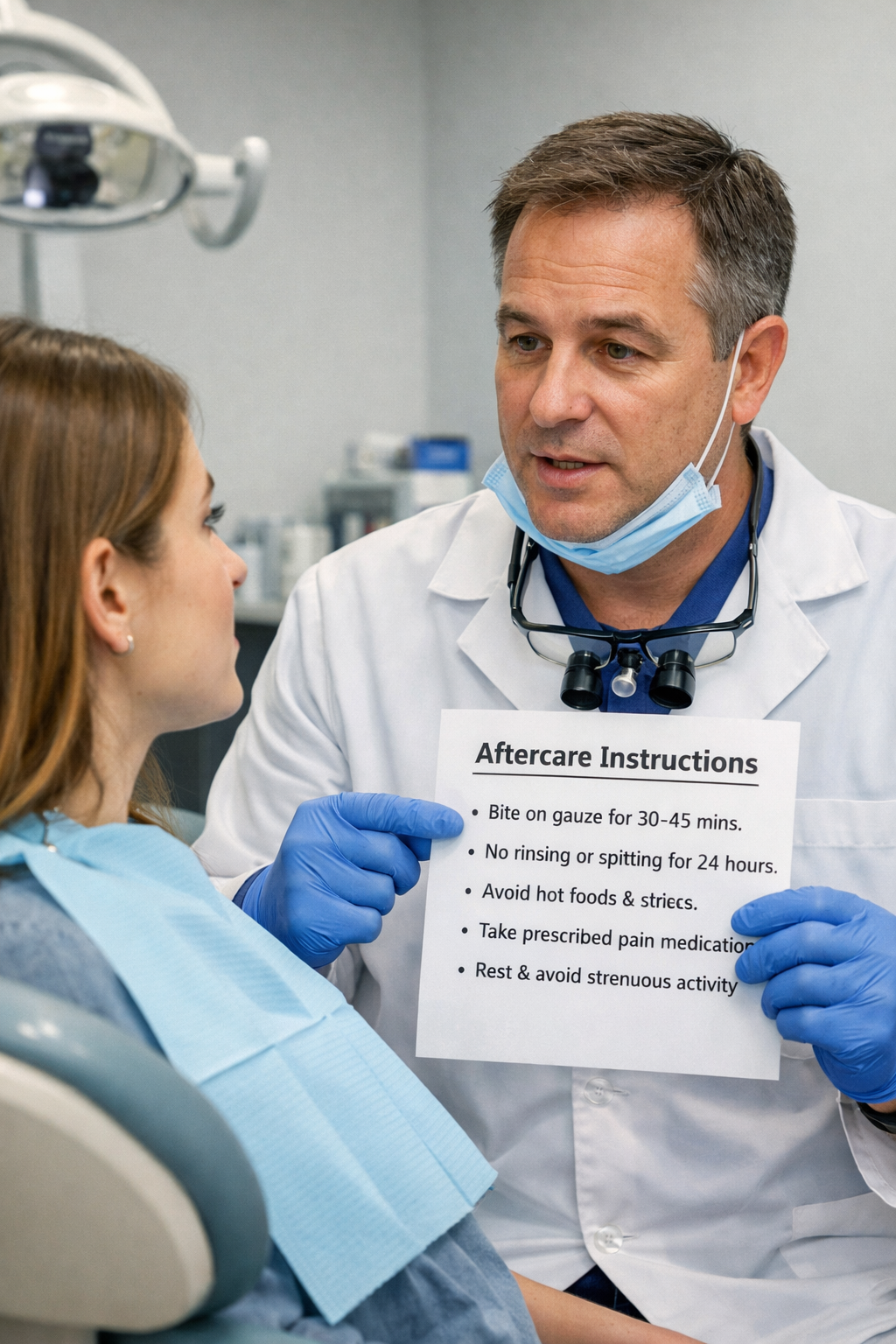
After a tooth extraction, your body needs time and the right support to heal smoothly and avoid complications like dry socket. A solid aftercare and recovery plan is essential—not just for comfort, but for protecting the extraction site and ensuring proper healing.
Rest is Key: Give yourself permission to take it easy for at least the first 24 hours after your extraction. Rest helps your body focus on healing the socket and reduces the risk of disturbing the blood clot that’s so important for recovery. Avoid strenuous activities, heavy lifting, or anything that could raise your blood pressure and increase the risk of dry socket.
Nourish Your Body: Eating the right foods can make a big difference in your recovery. Stick to soft, nutritious options that are gentle on your mouth and won’t irritate the extraction site. Foods like smoothies, scrambled eggs, and well-cooked pasta provide energy and nutrients without putting stress on the healing area. Staying hydrated is also essential—just remember to sip from a glass, not a straw, to minimize the risk of dislodging the clot.
Protect the Extraction Site: Be mindful of the extraction site as you go about your day. Avoid poking or prodding the area with your tongue or fingers, and don’t brush directly over the socket until your dentist says it’s safe. Keeping the area clean (as recommended by your dentist) helps prevent infection and supports optimal healing.
Monitor for Complications: Even with the best care, it’s important to watch for any signs of trouble, like severe pain, swelling, or an unpleasant taste. If you notice anything unusual, contact your dentist right away—early treatment can minimize complications and get you back on track.
By following these essential aftercare steps, you’ll minimize your risk of dry socket and other complications, giving your mouth the best chance for a smooth, comfortable recovery. And remember, the team at Apple Blossom Dentistry is always here to support you through every step of your healing journey.
What Are the Signs of Dry Socket
What to Watch Out For
Dry socket symptoms usually appear a few days after the procedure. If you notice any of these then you should get in touch with your dentist ASAP to get some treatment. Some common signs include:
- Really bad pain that radiates to your ear, eye, temple or neck on the same side as the extraction
- A visible gap in the blood clot in the socket, with the bone possibly visible
- An unpleasant taste or smell in your mouth
- Swelling in your lymph nodes or jaw
If you notice any of these symptoms, get in touch with your dentist straight away so they can sort it out for you.
Long-Term Oral Health
And let’s be real – it’s a whole lot easier to stop something from happening in the first place than it is to try and fix it after it’s gone wrong.
Contact Apple Blossom Dentistry

Contact Us
At Apple Blossom Dentistry, we genuinely care about making sure you’re comfortable and healthy. Dr. Talon Haynie & his team put their heart into giving you the very best dental care they can in a setting that’s warm, welcoming & as pain-free as possible . If you’re getting ready to have a tooth pulled or just want to know the best way to avoid a dry socket, we’re here for you. Give us a ring at (540) 667-3267 to book a visit or get some answers – we’re really looking forward to working with you to keep your smile as healthy & happy as it can be.